Life With Your Dog, Reimagined
Personalized in-home training programs designed around your unique challenges and goals.
Real-world dog training for change that actually sticks
Building Better Days, One Step at a Time
Stop managing problems.
Build strong foundations from the start
You thought your dog would
"grow out of it,"
but instead they just got bigger
the dog AND the problems!
Pulling on leash walks
Ignoring commands
Overexcitement or reactivity
Difficulty settling at home
No matter where you're starting, we're here to help you find a clear path forward to build a stronger partnership with your dog.
Spend less time guessing and more time enjoying life with your dog again.
Life With Your Dog, the Way It Should Be
Dog training isn’t just about fixing behaviour.
It’s about creating real change in how you and your dog live together every day.
A dog that comes back when called
Walks without being pulled
The doorbell rings… and it stays quiet
Settles calmly, even with distractions
Less managing. More enjoying
Less stress. More freedom
Private Dog Training
Whether you're raising a new puppy or working through challenges with an older dog, there's a program designed for your stage.
No matter your dog's age, get personalized in-home training and ongoing support to help prevent small frustrations from turning into bigger problems.
(and maybe save a few gray hairs along the way)
Puppy Pathway
(2–6 Months)
For puppies discovering how strange (and wonderful) life with humans can be.
Everything is new. Routines, rules, expectations, and how to live in a human home.
We focus on building strong foundations early so life together starts off right for both of you.
Best For:
Accidents in the house
Constant biting and chewing
Jumping on people
Never seeming to settle down
Teenage Trail
(6-18 Months)
When your teenage dog is pushing boundaries and acting like they’ve suddenly forgotten everything.
Navigate the unpredictable teenage phase with ease.
More independence, more distractions, and a dog who suddenly only listens when it suits them.
Best For:
Pulling harder on walks
Ignoring commands they know
Distracted by everything outside
Listens on their terms
Adult Avenue
(18+ Months)
For adult dogs who already have habits.
Some helpful, some frustrating.
Reshaping daily life to feel more predictable, more manageable, and easier to live with.
Best For:
Reacting or lunging on leash
Managing dog and kids
Jumping on people
When you’ve had enough
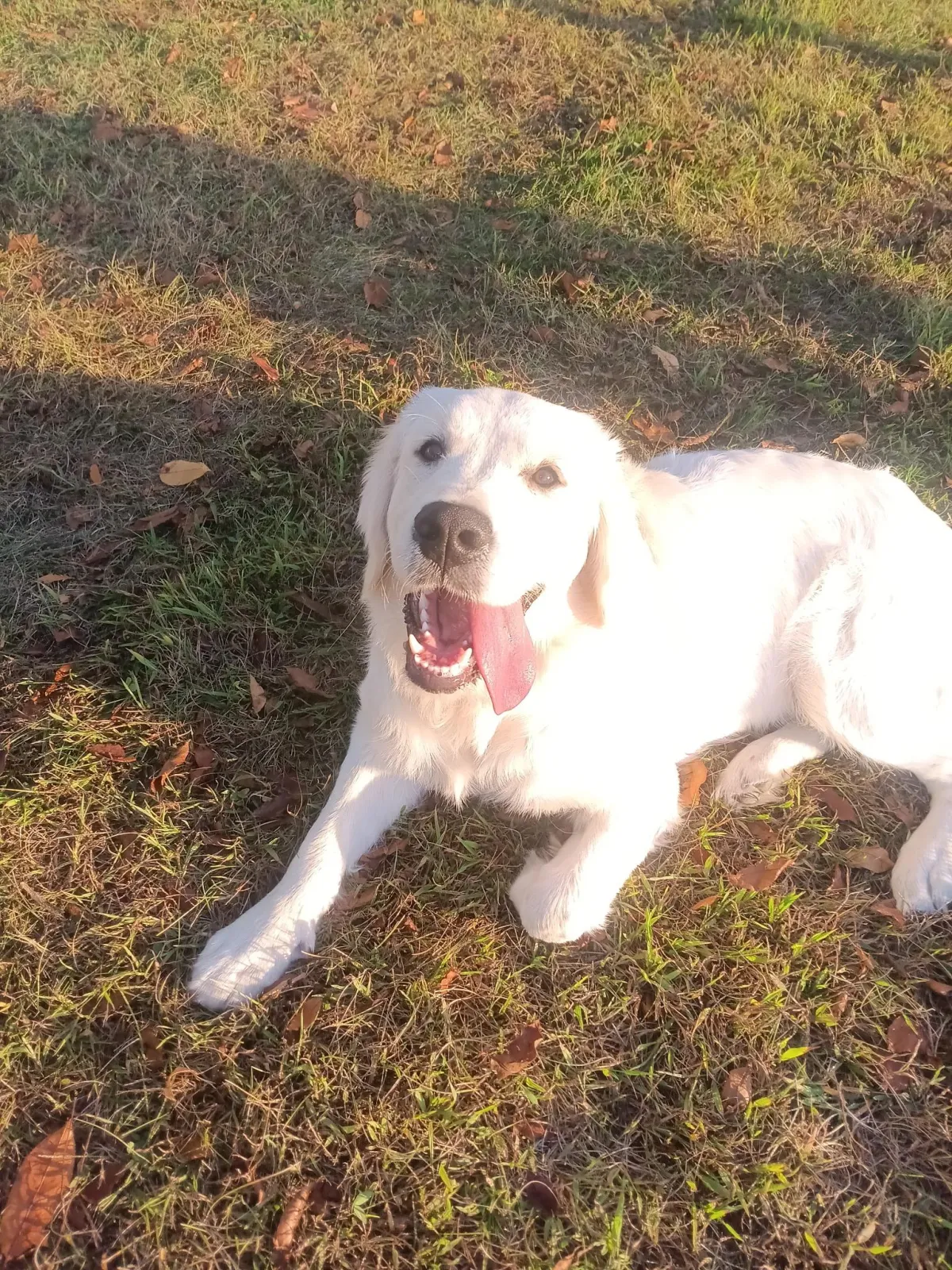
With Evan for support, our 13yo daughter has gained so much confidence, and helped the bond between pup and human be so much stronger. - Amy Hawkins
What Makes Us Different
Dogs don’t struggle in perfect training environments.
They struggle during real life
On walks
At the front door
During busy routines
In distracting environments
That’s why training happens where real life actually takes place.
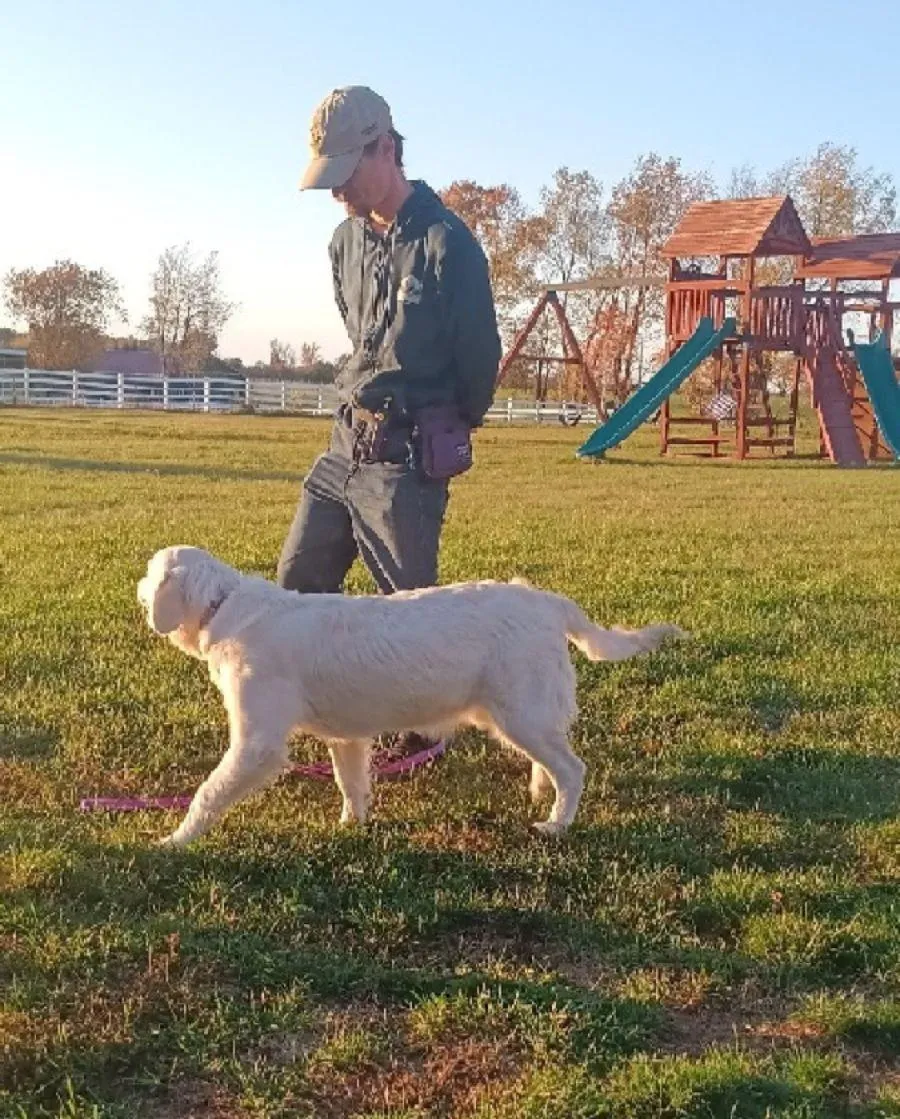
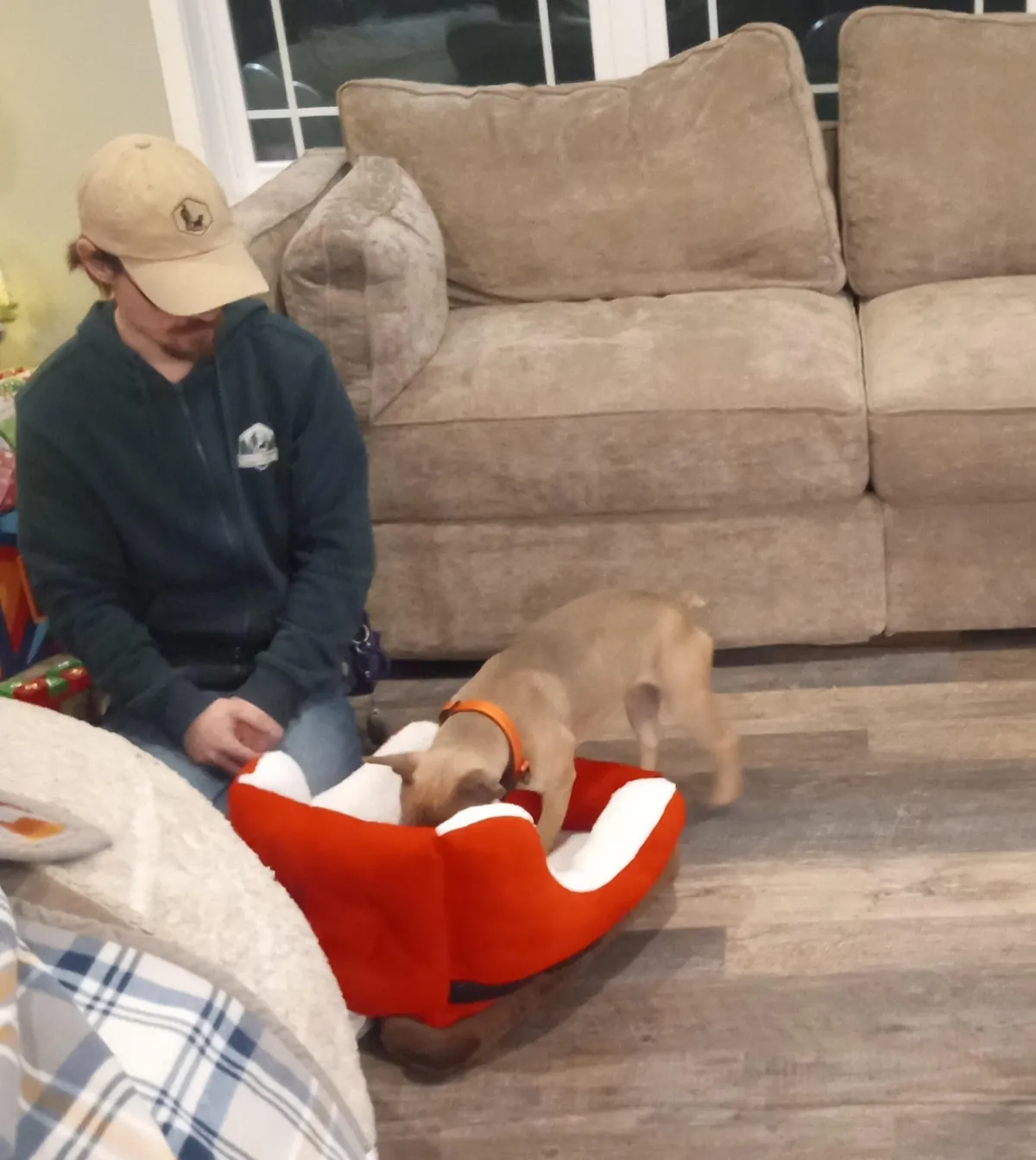
We focus on the environment your dog lives in.
Helping skills become practical, reliable, and easier to maintain long-term.
We combine:
In-home coaching
Structured real-world practice
Positive reinforcement
Personalized guidance for dogs and humans
Training should feel fun, clear, and practical. Not stressful or overwhelming.
The goal isn’t perfection.
It’s helping everyday life feel calmer, easier, and more enjoyable for both of you.
Meet The Trainer
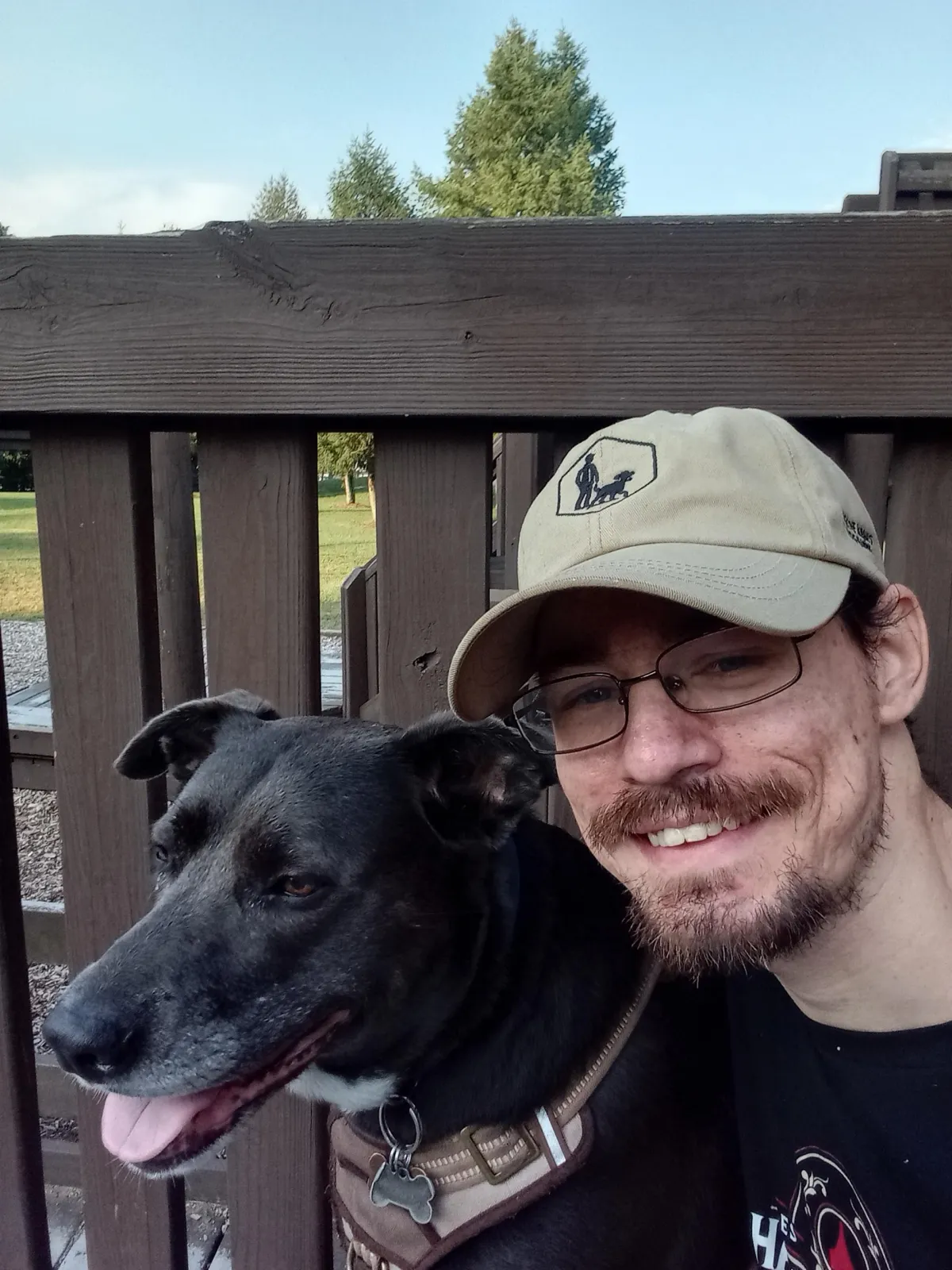
Evan Shoemaker, KPA-CTP #61911
Hi, I’m Evan Shoemaker, KPA-CTP, owner and trainer at Positive Pathways Dog Training
Karen Pryor Academy Certified Training Partner 2024
I guide people and their dogs to open the lines of communication so you can truly understand each other in any situation. I strive to build strong cues and even stronger bonds, using positive reinforcement methods by rewarding desired behaviors with what the learner finds motivating
Discover how to listen to your dog’s unique language, and master how to clearly express what you want in a way your dog can understand. I specialize in transforming challenging walks into enjoyable adventures and equipping you with practical, real-world solutions tailored to your dog’s personality.
Connect on a deeper level, overcome obstacles, and build a lifelong partnership. Whether your goal is smoother leash walking, resolving reactivity, or simply developing a stronger bond, I’m here to empower you every step of the way.
Evan is such a blessing to our family. His guidance and expertise have helped our family so much.
With Evan for support our 13yo daughter has gained so much confidence, and help the bond between pup and human be so much stronger. - Amy Hawkins

Being a Karen Pryor Academy Certified Training Partner signifies my commitment to excellence in positive reinforcement training.
Learn how this sets me apart.

As a Thrive member, I am dedicated to continuous professional growth and success.
Discover what this means for your training experience here.
Which Stage Is Your Dog In?
Puppy Pathway
(2–6 Months)
Building strong foundations from the start.
Teenage Trail
(6-18 Months)
Navigating the teenage phase with confidence
Adult Avenue
(18+ Months)
Creating a calmer, more manageable daily life
Not sure which path is right for you?
Let’s talk! Book your free 15-minute Discovery Call and we’ll help chart the perfect path for you and your dog.
Want expert tips, inspiring stories, or exclusive offers?
Join the Positive Pathways Community and get pawsitive training advice, each month, delivered to your inbox!
Service Area

Positive Pathways Dog Training proudly serves families and their dogs throughout Allegan County and neighboring communities.
Allegan County
Otsego
Plainwell
Martin
Allegan
Hopkins
Shelbyville
Wayland
Fennville
Nearby Cities and Towns
Kalamazoo
Parchment
Portage
Schoolcraft
Richland
Gobles
Galesburg
Augusta
Don’t see your town listed? Feel free to reach out to explore your options.
Virtual training is available for anyone so you and your dog can enjoy professional, positive reinforcement dog training wherever you call home
Sign Up For Our Monthly Newsletter
And Stay Up to Date with Positive Pathways